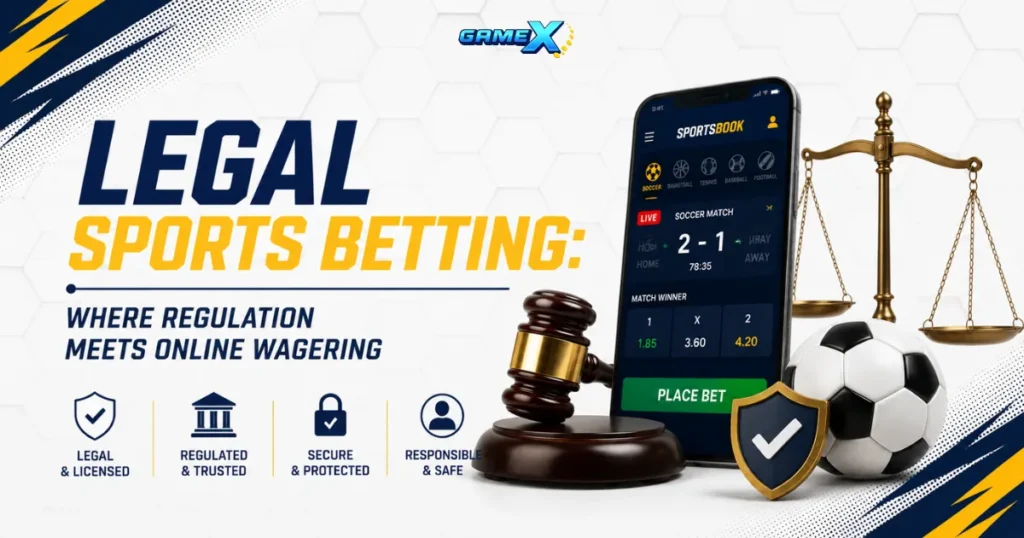
A sportsbook may look professional, but that does not automatically mean it is legally allowed to accept wagers. Legal Sports Betting starts with checking whether a sportsbook holds a valid license from a recognized regulator and is authorized to operate in the player’s location. Licensing matters because it sets rules for player verification, payments, betting practices, data protection, and responsible participation.
Before placing a bet, players should know who operates the sportsbook, which authority regulates it, and whether its license can be verified through an official source. These checks help separate regulated online wagering from platforms that simply look legitimate, giving players a clearer way to evaluate where and how they bet.
Legal Sports Betting Starts With Proper Authorization
Before a sportsbook can legally accept wagers in a regulated market, it generally needs authorization from the appropriate gambling authority. Legal Sports Betting therefore depends not only on whether a website is accessible, but also on whether the operator is permitted to offer its services in the player’s location.
Sports betting laws differ by jurisdiction, but regulators may set requirements covering:
- Valid licensing – The operator must hold the required authorization for its market.
- Age and identity checks – Players may need to meet minimum-age and verification requirements.
- Payment standards – Deposits, withdrawals, and customer funds may be subject to specific controls.
- Operating rules – Sportsbooks may need clear policies for wagers, promotions, records, and complaints.
- Responsible betting measures – Operators may be required to provide limits, self-exclusion, or other player controls.
Why Legal Sports Betting Licensing Matters
A betting license shows that a sportsbook operates under a regulatory authority, but requirements vary by jurisdiction. Players should verify the regulator, licensed operator, and location covered to confirm whether the sportsbook is legally authorized to serve them.
Sports Betting Explained Through Regulation
Sports Betting Explained in a regulated market covers more than odds and wagers. Licensed sportsbooks must follow rules for player verification, payments, bet settlement, and responsible betting.
How the Legal Sports Betting Process Works
Legal Sports Betting follows a simple chain:
Local laws → Regulator → Licensed sportsbook → Player
Local laws set the requirements, regulators oversee operators, and sportsbooks apply those rules to accounts, payments, and wagers. Players must follow both platform terms and applicable local laws.
What Regulation Actually Changes for a Player
Regulation can sound like something that happens entirely between a sportsbook and a government agency. In practice, many requirements eventually become visible in the player’s account experience.
| Area | What Players May Encounter | Why It Matters |
| Licensing | Operator and regulator information | Helps identify who oversees the sportsbook |
| Age checks | Date of birth or identity verification | Helps prevent underage participation |
| Account verification | Requests for identification | Confirms account ownership and eligibility |
| Payments | Deposit and withdrawal procedures | Creates clearer rules for handling transactions |
| Betting terms | Published settlement conditions | Explains how wagers are graded |
| Responsible betting | Limits, breaks or self-exclusion tools | Helps players manage participation |
| Complaints | Support or dispute procedures | Provides a process when problems arise |
Not every jurisdiction applies these requirements in exactly the same way. The table therefore represents common regulatory areas rather than universal rules for every sportsbook.
That difference matters. Players should always examine the requirements that apply to the particular operator and location they intend to use.
Verification Protects the Betting Account
Account verification helps sportsbooks confirm a player’s identity, age, and account ownership while supporting payment security and Know Your Customer (KYC) requirements. Checks may occur during registration or before certain deposits and withdrawals.
Before submitting documents, players should verify the sportsbook and review how it collects, stores, and protects personal information.
A License Should Be Checked, Not Simply Trusted
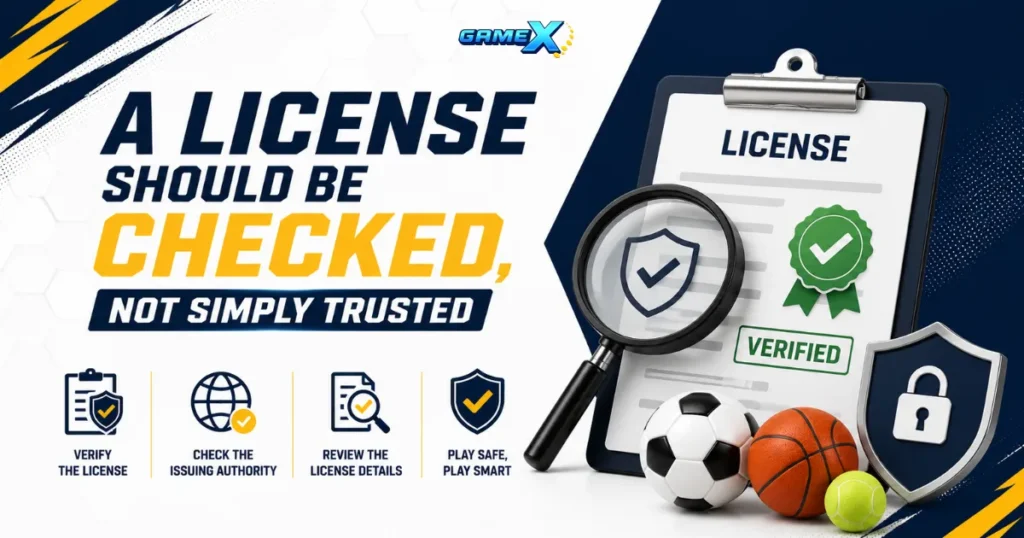
A license statement becomes much more useful when it can be verified. A sportsbook may display regulatory information in its website footer, terms and conditions, or licensing page. Players can look for the legal name of the operator, the regulator, and any license or authorization details provided.
Important checks include:
- Identify the company that actually operates the sportsbook.
- Find the regulatory authority named by the operator.
- Check whether licensing information can be verified through an appropriate official source.
- Confirm whether the authorization covers the relevant betting service and jurisdiction.
- Read withdrawal, verification, privacy, and complaint policies before depositing.
These checks do not predict whether someone will have a winning or losing betting experience. Their purpose is different: they help establish whether there is identifiable regulatory authority behind the platform.
Betting Rules Matter in Regulated Wagering
Licensing does not determine how every wager is settled. Sportsbooks have house rules covering cancelled events, postponed matches, dead heats, settlement conditions, and incorrect odds.
Players should review these rules before betting, especially on unfamiliar markets, since similar wagers may have different conditions.
Legal Does Not Mean Risk-Free
One of the most important distinctions in Sports Betting Explained is the difference between regulatory protection and protection from losing.
A legal sportsbook can operate under established standards, but regulation cannot remove the uncertainty of a sporting event. A team can underperform, an athlete can make an unexpected mistake, and a strong favorite can lose.
Licensing therefore should never be interpreted as a promise of profit.
The role of regulation is to establish operating standards and oversight. The role of responsible betting is to help players manage their own participation within those boundaries.
Responsible Participation Supports Regulated Betting
Regulated sportsbooks may provide responsible betting tools such as deposit limits, session reminders, cooling-off periods, and self-exclusion. Players can use these controls to set spending and time limits, avoid using money for essential expenses, and keep betting within an entertainment budget.
Legal Sports Betting Requires Informed Decisions
Legal Sports Betting combines regulatory oversight with player responsibility. Beyond understanding odds and markets, players should verify a sportsbook’s authorization, read its betting and withdrawal rules, and understand the protections available before wagering.
This adds an important layer to Sports Betting Explained: informed betting means understanding not only the wager, but also the rules and regulatory system behind it.
Regulation Matters in Every Legal Bet
Understanding Legal Sports Betting helps players look beyond odds, promotions, and available games. Checking the sportsbook’s license, regulator, operating rules, and player protections before registering can provide a clearer picture of whether the platform operates within a regulated framework.
Regulation cannot remove the risks or uncertainty of sports wagering, but it can establish standards for transparency, security, and responsible betting. For players, knowing these standards supports safer and more informed decisions whenever they choose to wager online.